
Introduction
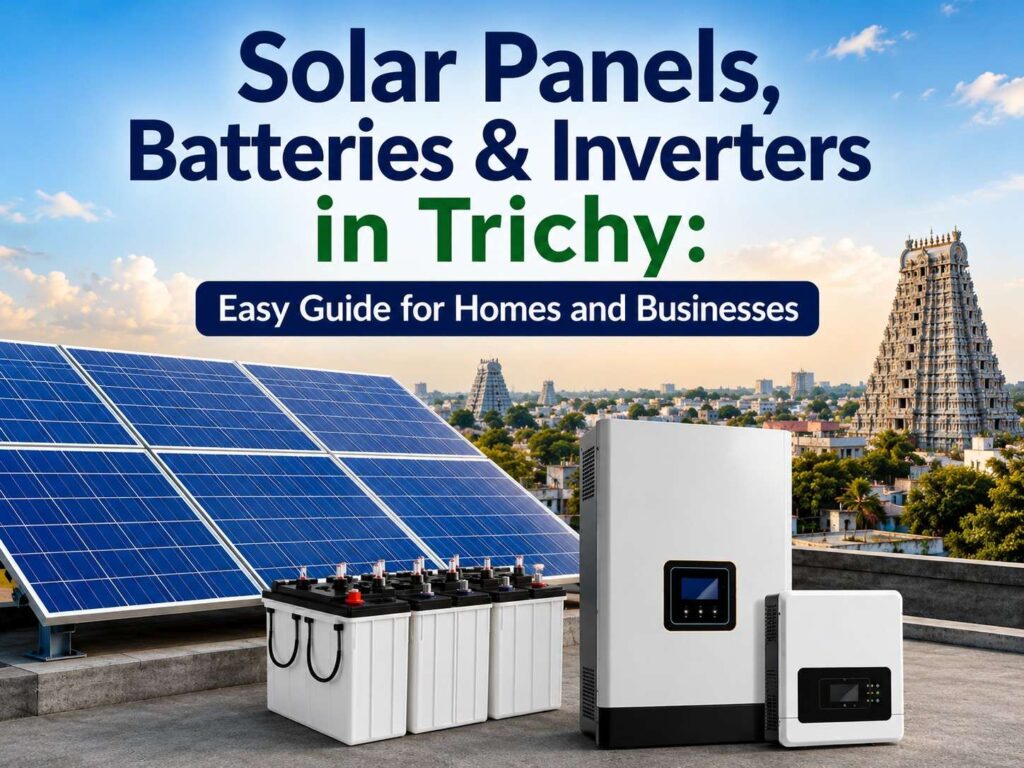
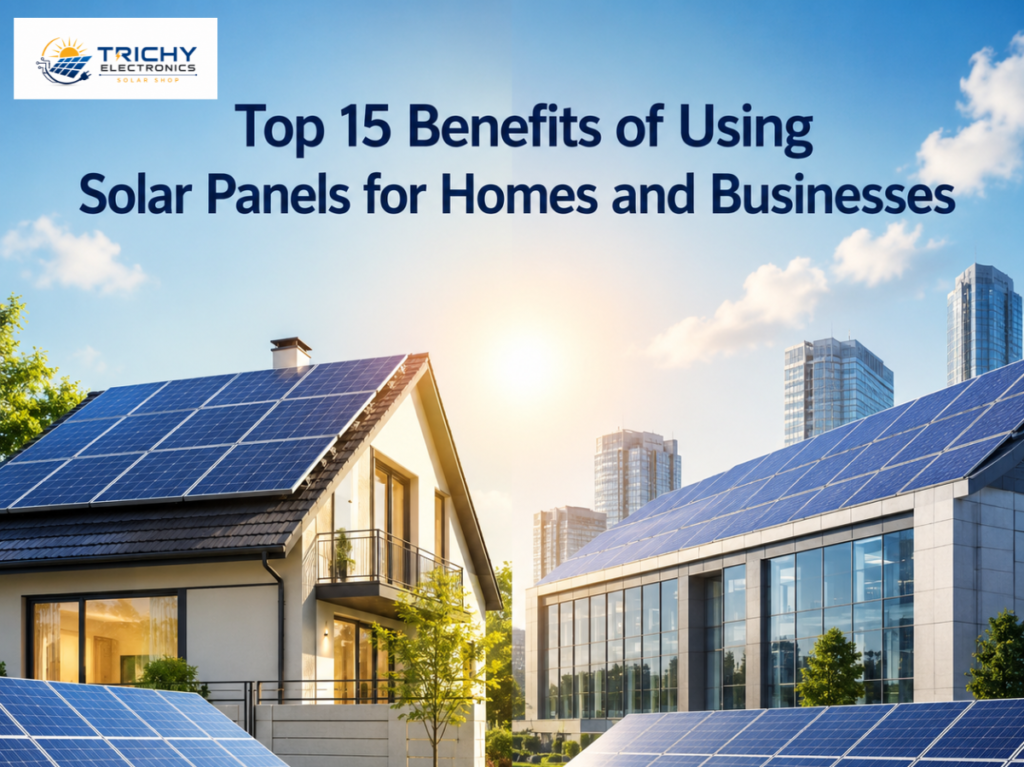
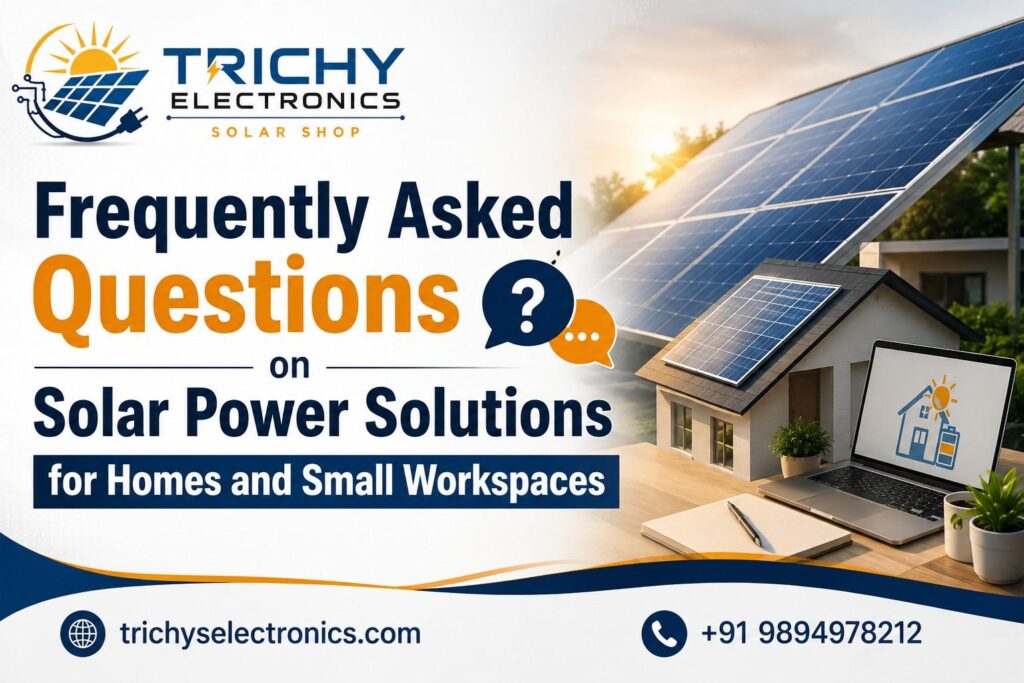
Solar power is becoming one of the most popular energy solutions for homes and small businesses. It helps reduce electricity bills, provides clean energy, and offers long-term savings. If you’re planning to install a solar power system, you may have several questions about how it works, installation, maintenance, and costs. Here are answers to the most frequently asked questions to help you make an informed decision.
What You’re About to Discover
- Understand how solar power systems work.
- Learn the benefits of residential solar energy.
- Discover on-grid and off-grid system differences.
- Know maintenance and cleaning requirements.
- Find out what happens during power outages.
- Learn how to choose the right solar system.
- Make informed solar investment decisions.
1. What is a solar power system?
A solar power system converts sunlight into electricity, providing reliable, renewable energy for homes and small commercial spaces efficiently.
2. Is solar power suitable for homes and small offices?
Yes. Solar systems efficiently power homes, offices, shops, clinics, and small businesses while reducing electricity expenses significantly.
3. How do solar panels generate electricity?
Solar panels use photovoltaic cells to capture sunlight and convert solar energy into usable electrical power efficiently.
4. Can solar panels reduce my electricity bill?
Yes. Solar panels lower grid electricity consumption, helping reduce monthly utility bills while delivering long-term financial savings.
5. Do solar panels work during cloudy weather?
Yes. Solar panels continue to generate electricity during cloudy conditions, although their output decreases compared to bright, sunny days.
6. Do solar panels work during the rainy season?
Yes. Solar panels produce electricity whenever sunlight reaches them, even during rainy weather with reduced generation capacity.
7. How long do solar panels last?
Most high-quality solar panels perform efficiently for twenty-five to thirty years with proper installation and routine maintenance.
8. Do solar panels need regular maintenance?
Solar panels require minimal maintenance, including occasional cleaning and inspections to ensure consistent energy production throughout the year.
9. How often should solar panels be cleaned?
Cleaning solar panels every three to six months removes dirt, improves efficiency, and maximises electricity generation throughout seasons.
10. Can solar panels power my entire home?
Yes. Properly sized solar systems can meet most or all household electricity requirements based on daily energy consumption.
11. What happens during a power outage?
Standard on-grid systems stop working during outages, while hybrid or battery-backed systems continue supplying backup electricity safely.
12. Can I use solar power at night?
Yes. Battery storage systems save excess daytime energy, allowing you to use stored solar electricity after sunset.
13. What is the difference between on-grid and off-grid solar systems?
On-grid systems connect to utility electricity, while off-grid systems operate independently using batteries for continuous power supply.
14. How much rooftop space is required?
Required rooftop space depends on your electricity consumption, system capacity, panel efficiency, and available installation area.
15. Is rooftop solar installation safe?
Yes. Professionally installed rooftop solar systems follow safety standards, ensuring reliable performance without damaging your property.
16. Can I install more solar panels later?
Yes. Most solar systems allow future expansion, making it easy to increase capacity as your energy needs grow.
17. Are solar panels waterproof?
Yes. Solar panels are designed with weather-resistant materials, allowing them to withstand rain, moisture, and harsh outdoor conditions.
18. Will solar panels damage my roof?
No. Professional installation methods protect your roof while securely mounting panels without affecting structural strength or durability.
19. How long does installation take?
Most residential solar installations are completed within one to three days, depending on system size and site conditions.
20. Are solar panels environmentally friendly?
Yes. Solar panels generate clean electricity without producing harmful emissions, helping reduce pollution and carbon footprint significantly.
21. Can solar panels increase property value?
Yes. Energy-efficient homes with solar systems often attract more buyers and may achieve higher resale values over time.
22. Do solar panels make noise?
No. Solar panels operate silently because they have no moving parts during electricity generation under normal conditions.
23. How do I choose the right solar system?
Choose a system based on electricity usage, roof space, budget, and professional recommendations for optimal long-term performance.
24. Is investing in solar power worth it?
Yes. Solar power offers lower electricity costs, long-term savings, energy independence, and excellent returns on investment.
25. Why should I choose a professional solar installation company?
Professional installers ensure correct system design, safe installation, quality components, warranty support, and reliable after-sales service.
26. Can solar panels withstand extreme weather conditions?
Yes. Quality solar panels are tested to withstand strong winds, heavy rain, heat, and other challenging weather conditions.
27. Will dust and dirt affect solar panel performance?
Yes. Accumulated dust reduces sunlight absorption, making regular cleaning essential for maintaining maximum energy production and efficiency.
28. Do solar systems require batteries to function?
No. On-grid systems operate without batteries, while hybrid and off-grid systems require batteries for energy storage and backup.
29. Can solar panels help reduce carbon emissions?
Yes. Solar energy replaces fossil fuel electricity, reducing greenhouse gas emissions and supporting a cleaner, healthier environment for everyone.
30. What should I consider before installing solar panels?
Evaluate your electricity usage, roof condition, available space, budget, and installer expertise before choosing the right solar solution.
Conclusion
Installing a solar power system is a smart investment for homeowners and small businesses looking to reduce electricity costs and adopt clean energy. Understanding these common questions can help you choose the right solar solution with confidence. A well-designed and professionally installed solar system delivers reliable performance, minimal maintenance, and long-term savings.